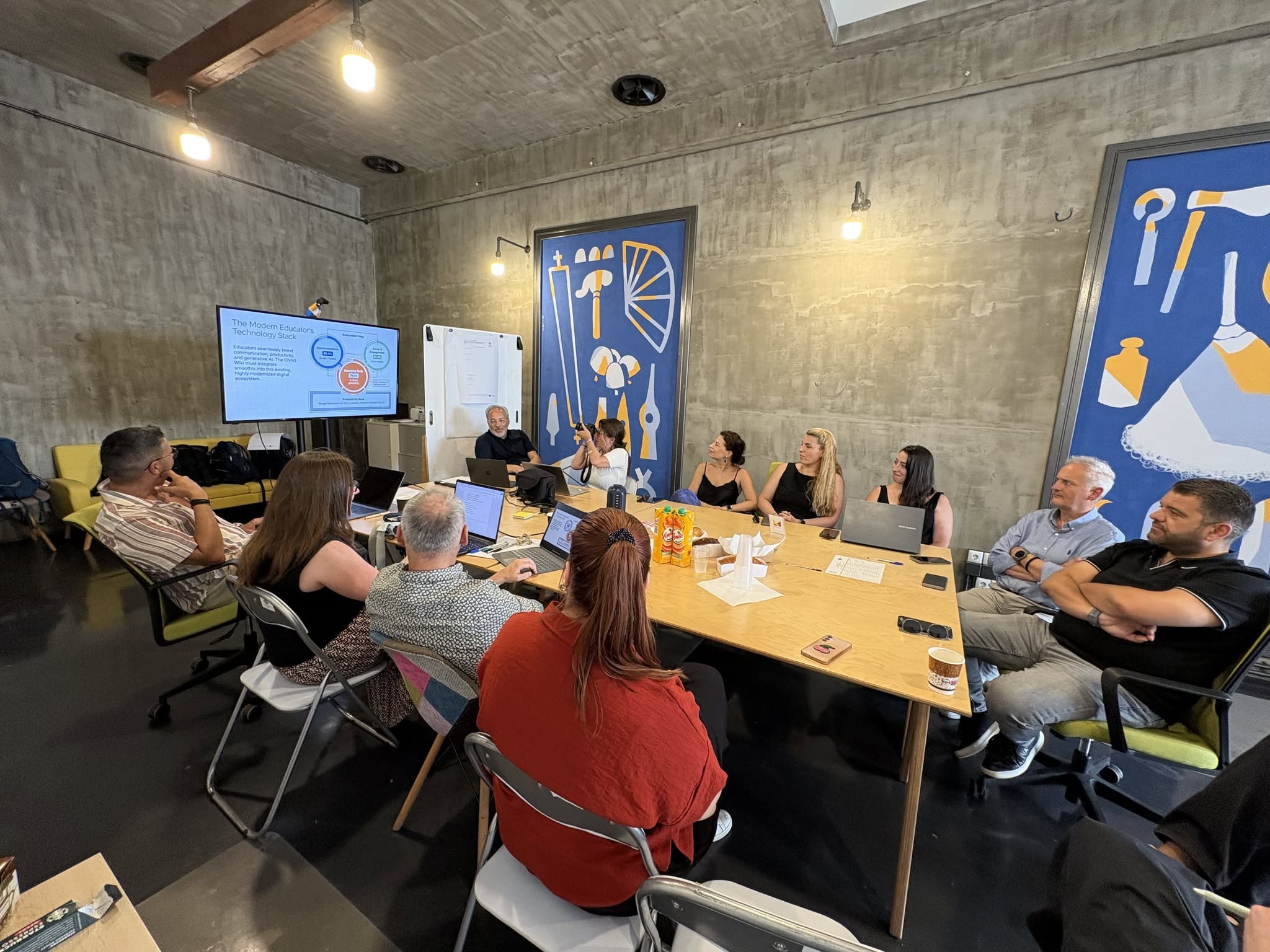
Over eight days in Greece, adult trainers worked with the CIVIKI Wiki and tested the project’s teaching methods hands-on. Their feedback will now shape the final version of both.
A platform for educators has to hold up when educators actually use it. That was the purpose of the Civic Edu-Space pilot testing, held in Patras, Greece, 20-27 July 2026. For eight days, the project partnership and a group of adult trainers set aside the planning documents and worked directly with the CIVIKI Wiki and the methods it hosts.
The pilot was hosted and led by SYNERGY EUROPEAN, the partner responsible for the Wiki’s technical development. The partner teams from Form2you (Portugal) and Akademie für Politische Bildung und demokratiefördernde Maßnahmen (Austria) joined them.
External adult trainers came from four Greek organisations working in adult and vocational education and the cultural sector:
- ERGASIA SA
- IEK ALTO
- Europen ΚΔΒΜ
- MOSAIC Culture & Creativity
The mix of vocational training providers, a lifelong learning centre and a cultural organisation gave the methods a broad test across different teaching settings.
The programme did two things.
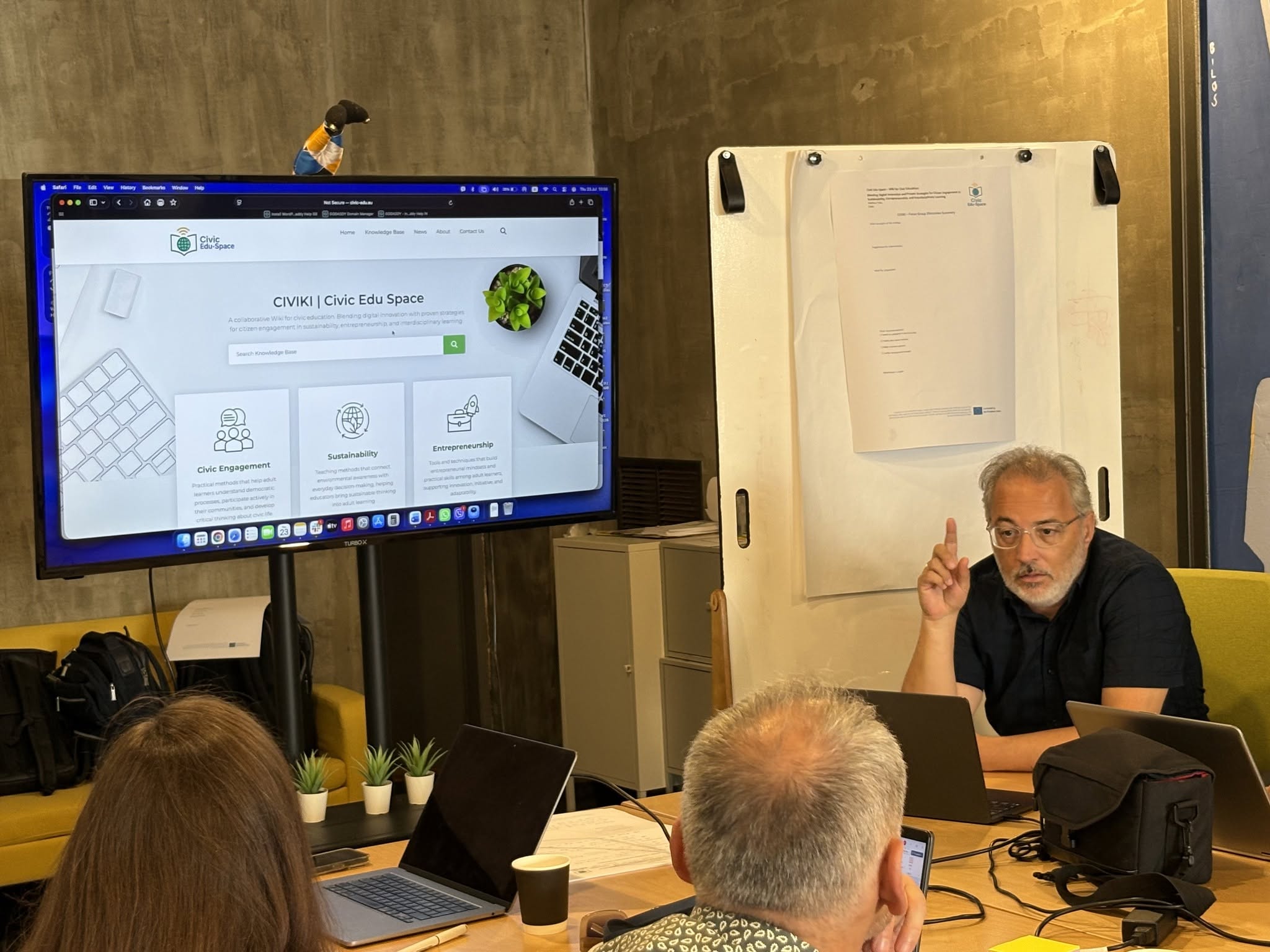
Testing the platform. Participants worked through the CIVIKI Wiki as its future users will. They searched for methods, navigated the content in different languages, and used the rating and commenting features. They reported what was clear, what was harder to find and what should be improved.
Testing the methods. Trainers applied the project’s teaching methods in simulated classroom sessions. The methods cover civic engagement, sustainability and entrepreneurship. The trainers then discussed how each method would work with their own learners, including learners with fewer opportunities.
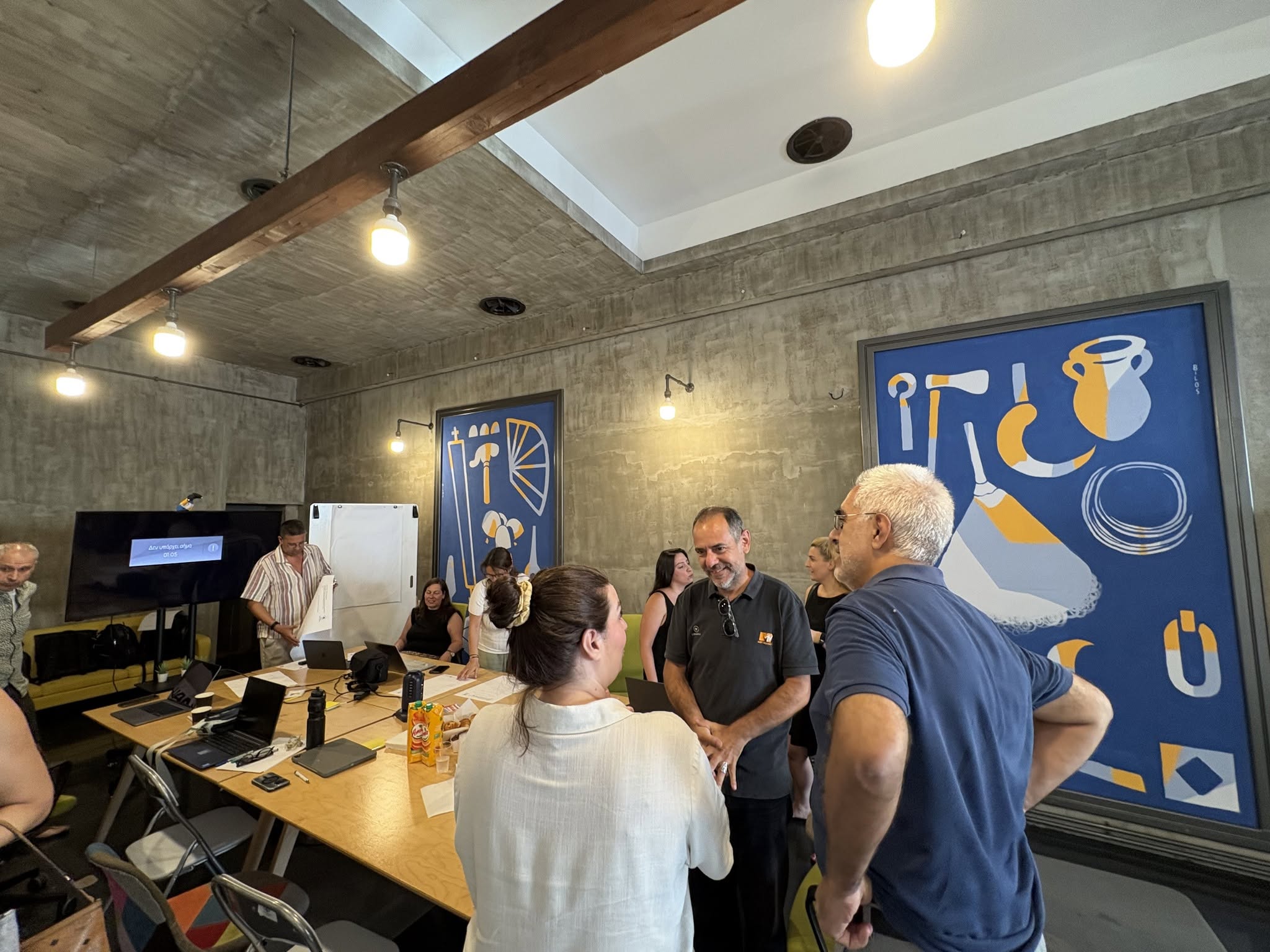
Feedback was collected in a structured way, through questionnaires, interviews and group discussion. Participants shared useful insights and concrete recommendations for the project’s next steps.
What comes next
The pilot’s findings will be compiled into an evaluation report. The partnership will use them to refine the Wiki and revise the methods before the final phase of the project. From there, the work moves to dissemination: webinars run by each partner, local workshops, EPALE articles, and a final best-practice report drawing on educators’ experience with the methods.
Our thanks go to the trainers of ERGASIA SA, IEK ALTO, Europen ΚΔΒΜ and MOSAIC Culture & Creativity for their time, their openness and their sharp eye. You have made CIVIKI better.
The CIVIKI Wiki remains open to all adult educators at civic-edu.eu . Explore the methods and tell us what you think.
Funded by the European Union. Views and opinions expressed are however those of the author(s) only and do not necessarily reflect those of the European Union or the granting authority. Neither the European Union nor the granting authority can be held responsible for them.